Error as Intention: How Digital Chaos Became the Realest Thing Online
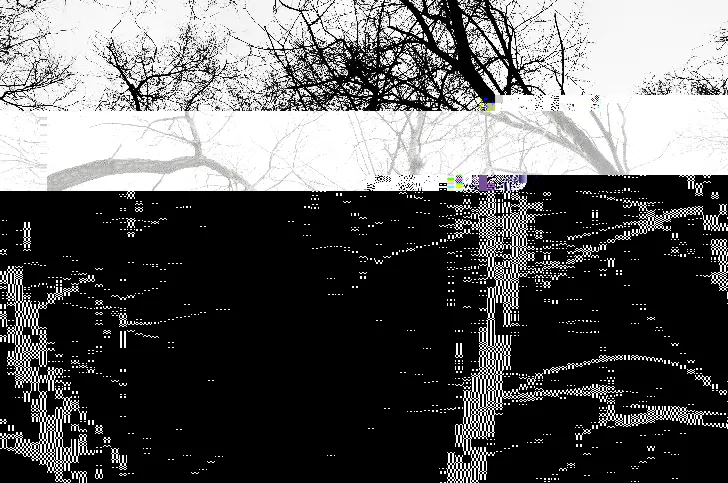
Photo: Lucas Rafael Tenllado Gil, CC BY-SA 4.0, via Wikimedia Commons
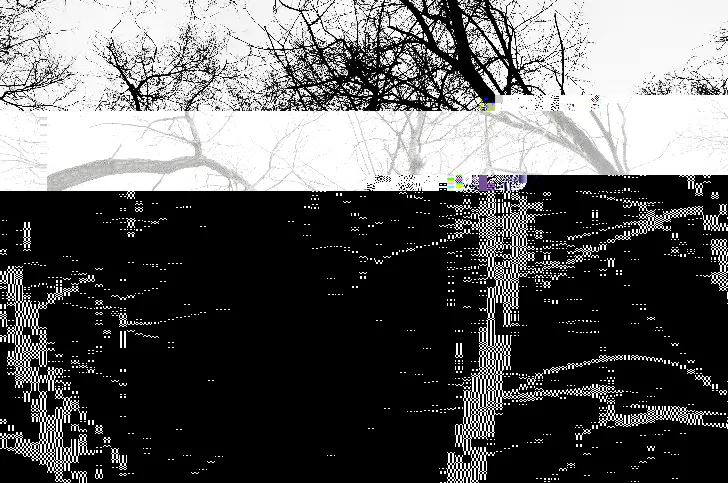
There's a particular kind of beauty in a JPEG that's been saved too many times. The color blocks, the smeared edges, the way a human face starts to dissolve into something almost alien — none of it was supposed to happen. And yet, a growing wave of artists across the US and beyond are chasing exactly that feeling, deliberately. On purpose. With intention.
Call it the glitch aesthetic, call it datamoshing, call it whatever you want — the point is that digital imperfection has stopped being an accident and started being a language.
The Rejection Underneath the Noise
To understand why this is happening, you have to understand what it's pushing back against. The last decade of digital culture has been a relentless sprint toward smoothness. Filters that erase pores. AI upscalers that sharpen every frame. Spotify-ready masters that compress dynamics into a flat, punchy wall of sound. Everything optimized, everything clean, everything performing wellness at 4K resolution.
For a lot of younger creators — particularly those who came up watching algorithmic content colonize every corner of the internet — that smoothness started to feel dishonest. Like a texture applied over something hollow. The glitch, by contrast, feels like the machine telling the truth. When a render artifact cuts through a video or a bitcrusher chews up a synth line beyond recognition, there's no pretending. What you're seeing or hearing is what it actually is.
That's not a small thing in a media environment where authenticity is simultaneously the most valued and most manufactured commodity around.
From Accident to Methodology
The roots of this go back further than most people realize. Artists like Ryoji Ikeda and Oval were treating digital errors as compositional tools in the 1990s. Nam June Paik was manipulating magnetic fields to distort television signals decades before that. Glitch art has a lineage. What's different now is scale and accessibility.
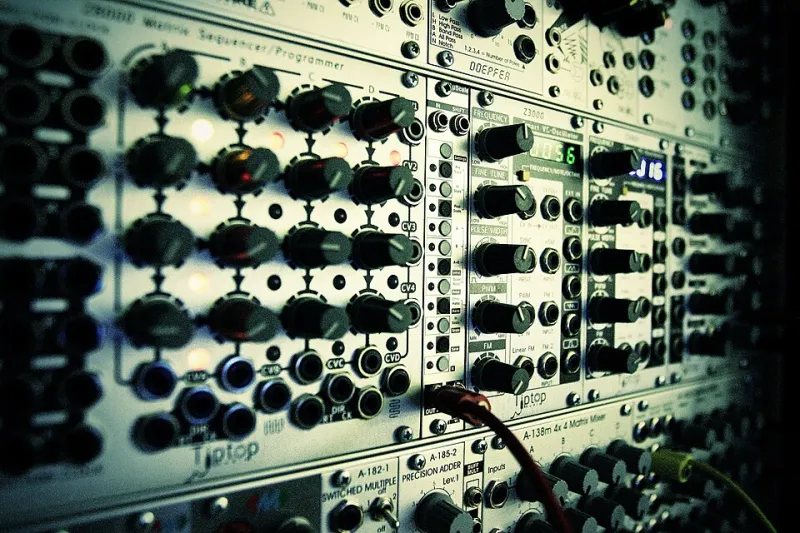
Software like Audacity — yes, the free, unglamorous Audacity — lets anyone open an audio file as raw data and corrupt it manually. Circuit benders in basements across the Midwest are rewiring Game Boys and Speak & Spells to produce sounds no engineer would have signed off on. Apps and scripts that deliberately introduce compression artifacts have small but devoted user bases on platforms like itch.io and GitHub. The barrier to entry for making something genuinely broken has never been lower.
And Gen Z creators, in particular, have run straight through that door. On TikTok and Instagram, lo-fi video edits with intentional encoding errors get passed around as aesthetic references. On Tumblr's persistent underbelly, glitch art blogs still accumulate followers who specifically want the corrupted version of things. The tools changed. The impulse didn't.
What Chaos Actually Communicates
Here's the philosophical core of it, if you want to get a little heady: glitch art operates on the assumption that the error reveals something the clean version hides.
When you datamosh a video — a technique where you delete the keyframes that tell a video codec how to reconstruct movement, causing images to bleed into each other — what you get is a literal visualization of time breaking down. Objects from one scene ghost into another. Motion smears across cuts. It looks like memory, or trauma, or the way a dream degrades when you try to hold onto it. That's not nothing. That's actually doing something a clean edit can't.
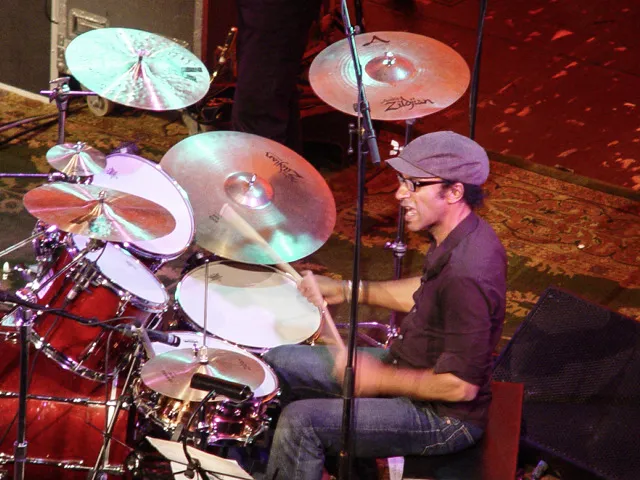
Same principle in sound. Harsh noise artists and experimental producers who deliberately clip their signals, stack aliasing artifacts, or run audio through broken hardware aren't just being difficult. They're using the texture of failure to communicate states that polished production can't reach. There's a reason a wall of static can feel more emotionally raw than a pristine mix — it's because the distortion is doing expressive work.
The Algorithm Problem
There's also something specifically oppositional happening here, and it's worth naming directly. Algorithmic platforms don't like glitch content. It confuses recommendation engines. It doesn't perform well in A/B testing. It scares off advertisers. A video that looks corrupted might get flagged. A track that sounds broken might not make it into mood playlists.
For some creators, that's a feature, not a bug. Making work that the algorithm actively struggles to categorize is a way of opting out of a system that has, for many artists, started to feel like it's doing the creating. When Spotify's editorial team and TikTok's For You page have that much influence over what sounds get made, choosing to make something unplaylistable is a genuine act of creative autonomy.
That's not a romantic notion — it has real costs. Obscurity is real. Revenue is real. But the artists operating in this space tend to be pretty clear-eyed about the trade-off. They're not trying to go viral. They're trying to make something true.
The Signal in the Static
What's interesting is that the glitch aesthetic, for all its chaos, is actually a highly controlled practice. The artists doing this well aren't just breaking things randomly — they're developing real technical fluency with how different types of errors behave, what different codecs do when stressed, how specific hardware fails in specific ways. There's a craft to it that's easy to miss if you're just looking at the output.
In that sense, it's not so different from any other art form. The painter who works with palette knives instead of brushes isn't being sloppy — they're choosing a specific kind of mark. The glitch artist who knows exactly how to corrupt a TIFF file to get a particular color bleed is making an equally deliberate choice.
The difference is that the material they're working with is failure itself. And right now, in a digital culture that's drowning in performed perfection, that might be the most interesting material there is.