The Internet's Attic Is Full of Ghosts — and We're Finally Cataloging Them
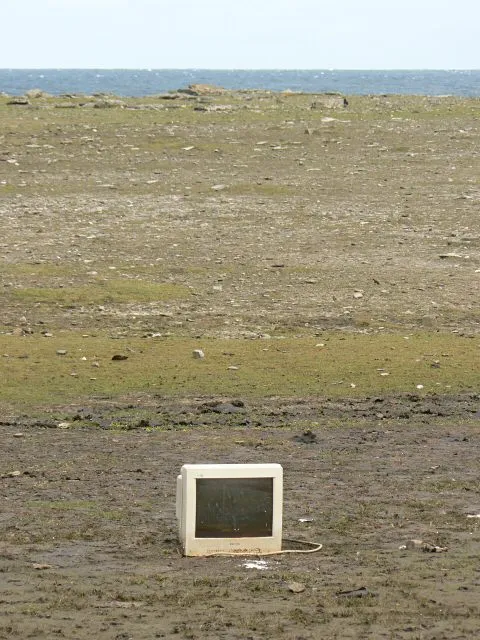
Photo: Rob Burke, CC BY-SA 2.0, via Wikimedia Commons
The quiet after the thread dies
There is a specific kind of silence that follows a dead forum. Not the silence of an empty room, but the silence of a room where somebody left the lights on. You can still find these places if you know where to look: a phpBB board for a mall food court that closed in 2008, a LiveJournal community about regional punk shows, a MySpace profile that has been blinking its default song into the void for nearly two decades. The internet is full of them. And lately, a growing crew of archivists, artists, and amateur historians in the US has decided they are worth keeping.
This is not the same as the Wayback Machine, though that helps. The new digital-ruins crowd is more curatorial. They screenshot deleted posts before the cache clears. They rebuild abandoned forums as static exhibits. They make zines and gallery shows out of profile pages that were never meant to be art. One Brooklyn artist I talked to describes her practice as 'conservation, not collection.' She saves the layout, the broken avatar, the timestamp. The feelings come later.
Why we are drawn to the wreckage
Part of it is pure nostalgia, obviously. If you came up online between AOL and the iPhone, the early web feels like a hometown that got bulldozed. But nostalgia is the easy answer. The deeper pull is that the internet has become so optimized, so frictionless, so aggressively alive, that its abandoned corners feel strangely honest. A deleted Reddit post is not trying to sell you anything. An abandoned Geocities page is not A/B testing its hero copy. It just sits there, weird and specific and human.
There is also a pandemic-era hangover to this. People spent years watching their digital lives compress into feeds and stories that vanished on a timer. Saving ruins became a way of saying that online life counts, even the embarrassing parts. The Museum of Deleted Posts, as one informal Discord collective calls itself, has a channel dedicated to 'last posts before account deletion.' It sounds morbid. It is also tender. Users submit screenshots of final entries, often mundane: a grocery list, a complaint about a bus, a photo of a cat. The collective treats them like artifacts from a lost civilization.
The platforms are not helping
Preservation gets messy fast. Platforms are not archives, and they have no incentive to be. APIs close. Rate limits tighten. Robots.txt files block crawlers. Login walls turn public pages into private rooms. When a site shuts down, it rarely hands over the keys. The result is that much of what we think of as the public web is actually rented space with a demolition clause.
Then there is the deletion problem. A user deletes a post because they were fifteen and said something they regret. An archivist saves it because it is part of a community's history. Both impulses make sense. Only one of them can win. In the US, privacy law is a patchwork, and platforms usually err on the side of the platform. But the ethical question is older than the law: does posting something publicly mean it belongs to everyone forever? Most people would say no. Most archives act like yes.
Where nostalgia ends and privacy begins
The good-faith archivists know this. The ones I trust have opt-out policies, redaction tools, and a rule against surfacing anything that looks like a private confession. They distinguish between public performance and public accident. A fan forum's homepage is fair game. A teenager's locked LiveJournal is not. The trouble is that the line moves. A post can be public for years, then become sensitive because the world changed around it. An archive that refuses to update its ethics is just a leak with better branding.
Still, the appetite for digital ruins is growing, and not only among people who remember dial-up. Younger users are discovering early-web aesthetics as a genre. They make TikToks about cursed old websites. They collect dead links like trading cards. There is something appealing about a web that was not engineered to harvest you. The ruins are a reminder that the internet used to be a place you could get lost in, not just a place that gets lost in you.
The Museum of Deleted Posts will never be complete. That is the point. It is an attic, not a vault. You go up, you poke around, you find a box of somebody else's old life, and you decide whether to put it back. The internet's memory is not a public utility. It is a pile of boxes. The least we can do is label them carefully.